HomeHow Long Does It Take to Feel Better After an Iron Infusion?Iron deficiencyHow Long Does It Take to Feel Better After an Iron Infusion?
How Long Does It Take to Feel Better After an Iron Infusion?
What is an Iron Infusion?
An iron infusion is a quick IV treatment that restores iron levels directly into your bloodstream. Unlike iron supplements or oral tablets, it works faster and is ideal for people who cannot absorb iron properly from food or pills. Iron infusions are typically needed by patients with low iron, anemia, chronic blood loss, or absorption issues, helping them regain energy and improve overall health more efficiently
Why People Get Iron Infusions
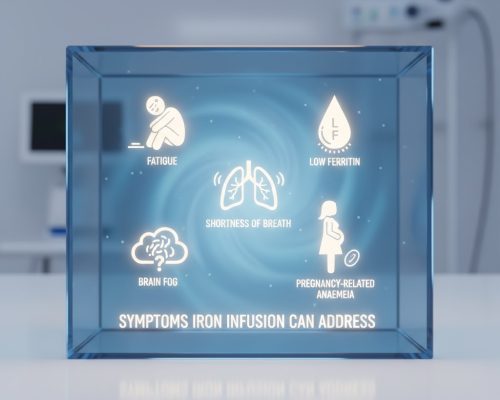
- Iron deficiency anemia – Low iron levels in the blood can cause fatigue, weakness, and dizziness.
- Chronic blood loss – Conditions like heavy menstruation, surgery, or ulcers can lead to ongoing iron loss.
- Poor absorption – Certain health conditions, such as IBD, gastric bypass, or celiac disease, can prevent the body from absorbing enough iron from food or supplements.
- Pregnancy-related anemia – Increased iron needs during pregnancy may require infusions for proper health.
People get iron infusions to quickly restore iron levels in the body when oral supplements are not enough. Common reasons include:
Iron infusions help improve energy levels, oxygen transport in the blood, and overall well-being, allowing people to feel stronger and more active.
How Long Does It Take to Feel Better After an Iron Infusion?
The iron infusion improvement period varies from person to person. Some people notice improvements within just a few days, feeling more energetic and less tired. For others, it may take 1 to 4 weeks before experiencing significant benefits.
Several factors can affect iron infusion recovery time:
- Severity of iron deficiency – The lower your iron levels, the longer it may take to feel better.
- Overall health and medical conditions – Chronic illnesses or other health issues can slow recovery.
- Number of infusions required – Some patients need more than one session to reach optimal iron levels.
- Body’s absorption and response rate – Everyone’s body responds differently to iron infusions.
Short-term improvements often include reduced fatigue and better focus, while long-term benefits may include stronger nails, healthier hair, improved immunity, and overall increased energy.
What to Expect After an Iron Infusion
What to expect after an iron infusion procedure can vary, but there are both immediate and gradual effects:
Immediate Effects: Some people may experience mild side effects such as tiredness, a headache, or slight dizziness. These usually pass within a few hours.
Gradual Improvements: Over the next few days to weeks, you may notice:
- Increased energy levels and reduced fatigue
- Better focus and improved mood
- Healthier skin, stronger nails, and shinier hair
Understanding the iron infusion effectiveness timeline helps set realistic expectations and track your progress.
Signs the Iron Infusion is Working
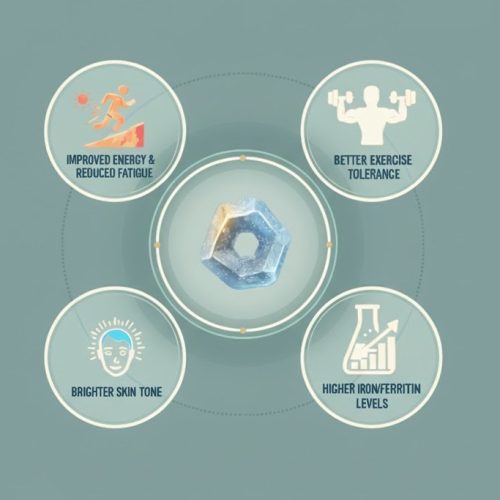
Signs that indicate the infusion is working include:
- Improved energy and reduced fatigue – You feel less tired during daily activities.
- Better exercise tolerance – Workouts and physical tasks become easier.
- Brighter skin tone – A healthier, more vibrant appearance.
- Lab results showing higher iron/ferritin levels – Confirming your iron stores are increasing.
Both symptoms and lab results together indicate that your body is responding to the infusion.
Iron Infusion Side Effects Duration
Most people tolerate iron infusions well. Mild side effects such as fatigue, dizziness, or headaches usually resolve within hours. Always consult your doctor if side effects persist or worsen.
When to Contact a Doctor After an Iron Infusion
Contact your healthcare provider immediately if you experience severe side effects such as:
- Allergic reactions
- Chest pain
- Swelling
- Difficulty breathing
If fatigue continues beyond a month, it may indicate your iron levels are still low, or additional treatment is needed. Regular follow-up blood tests are essential to monitor iron infusion patient experiences recovery effectively.
Iron Infusion Recovery Tips
To improve recovery and maximise benefits, follow these iron infusion recovery tips:
- Eat an iron-rich diet: leafy greens, red meat, beans, and fortified cereals.
- Stay hydrated and get enough rest to support your body’s healing.
- Follow your doctor’s advice for follow-up infusions.
- Avoid substances that reduce iron absorption, such as excessive tea or coffee.
These simple steps help your body respond faster and improve overall recovery.
Conclusion
Iron deficiency can impact everything from your energy levels to your daily wellbeing — but you don’t have to live with constant fatigue. A safe, medically supervised iron infusion can rapidly restore your iron levels and help you feel like yourself again. At Health Zone Barwell Medical Centre in Castle Hill, our clinicians provide comfortable, efficient and evidence-based iron infusion treatments trusted by patients across Castle Hill.
If you’re ready to boost your energy, improve your health and get personalised care from a leading Sydney medical team, book your iron infusion appointment at Health Zone Barwell Medical Centre today. Your path to better health starts here.
Take the next step toward better health: If you have questions about your iron infusion recovery time or want guidance tailored to your needs, book a consultation with your healthcare provider today
FAQs
Most people in Australia feel noticeable improvements within 3–7 days, while more severe iron deficiency cases may take 2–4 weeks. Your exact recovery time depends on your ferritin levels, overall health, and the number of infusions recommended by your Sydney clinician.
Yes. Mild fatigue or headaches are common for a few hours after your infusion. This usually resolves the same day. If symptoms last longer than 48 hours, speak with your Sydney healthcare provider.
Ferritin levels often increase within 48 hours, but hemoglobin takes 1–2 weeks to change. Many Sydney patients report better focus, energy, and exercise tolerance within the first 7–10 days.
Seek medical help immediately if you experience chest pain, severe dizziness, swelling, or difficulty breathing. These reactions are rare but important to monitor.
Most side effects—such as tiredness, nausea, or a mild headache—resolve within a few hours. Serious reactions are extremely rare when performed at a licensed iron infusion clinic in Sydney.